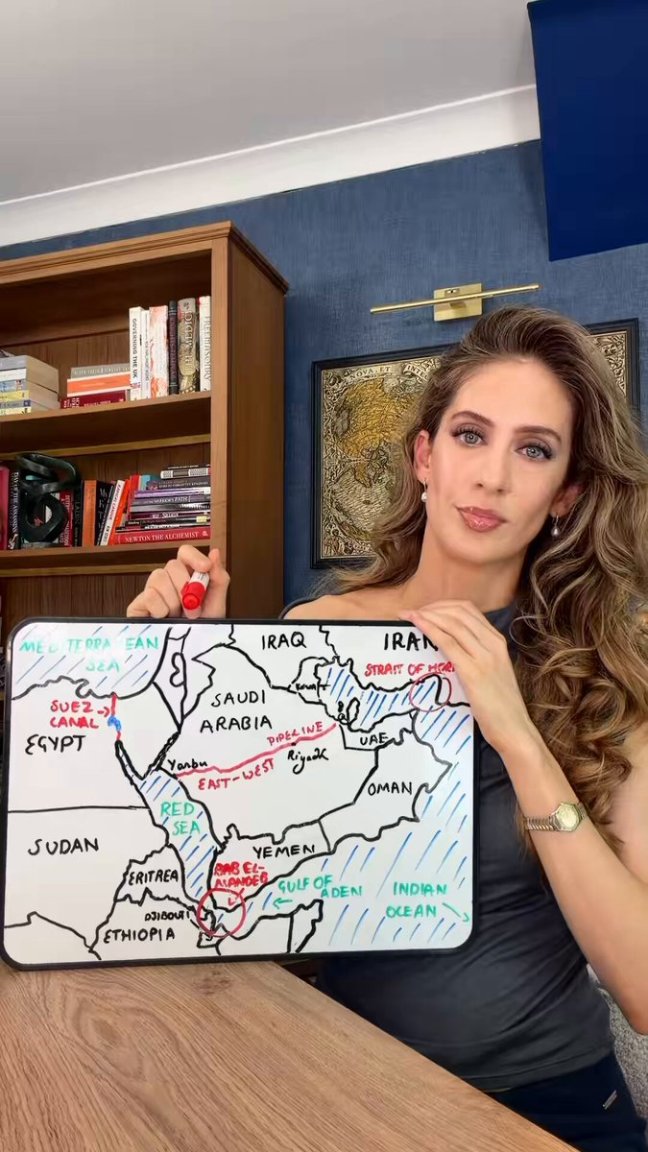
Redundancy i.e. having alternative options is vital for society to continue to work as is. But as we're seeing in the geo-political scene, it's still not enough. Our societies are so dependent on fragile supply chains that should the lights go out - and those in the know are talking about this possibility - then … Continue reading Redundancy i.e. having alternative options
In a world that's experiencing change on a paradigm shifting scale, I wonder how will ordinary people react? We're more than likely going to experience major 'shocks' to the world order and if that's not unsettling enough, we're likely going to be maneuvered into a war footing, and some sort of tech-surveillance dystopia as a … Continue reading One Day ‘Stoic Pilgrim Field Day’
For decades we've celebrated the #entrepreneur. The person who creates economic value. But perhaps the future needs a different kind of leader. The #Communiteer. Someone who creates #socialcapital. Who connects, collaborates and contributes. Less "How can I succeed?" More "How can we flourish?" Entrepreneurs build businesses. Communiteers build the relationships that make #communities #resilient. Could … Continue reading Have we been chasing the wrong words?
For generations, success followed a familiar script: work hard, get promoted, climb higher. It was a world of certainty, predictable career paths and clear milestones. That world is disappearing. Artificial intelligence, automation, economic uncertainty and changing industries mean that the old career ladder has become increasingly fragile. Many people are discovering that climbing faster doesn't … Continue reading The Future Doesn’t Belong to Ladder Climbers. It Belongs to Pilgrims.
AI is changing work rapidly. The organisations that thrive won’t necessarily be the biggest — they’ll be the most adaptive. Small, high-trust teams now have access to tools and capabilities once reserved for entire departments. But technology alone is not enough. Teams still need clarity, communication, ownership, and the ability to make good decisions under … Continue reading 🚀 Dynamic Teaming for an AI World 🧑🤝🧑🧑🤝🧑
A new report from the International Labour Organization highlights a stark reality: over 840,000 people die each year from health conditions linked to psychosocial risks at work—things like long hours, job insecurity, and harassment. These pressures, often tied to cardiovascular disease and mental health struggles, also cost the global economy around 1.37% of GDP annually. … Continue reading 840,000 people die each year from health conditions linked to psychosocial risks at work
Put people inside a rigid hierarchy with poor accountability…and don’t be surprised who climbs fastest. Not the most capable.Not the most grounded. The most adapted to the game. Psychology names part of this the Dark Tetrad: Manipulators who play the long game Attention-seekers who dominate the room Cold competitors who intimidate Those who quietly (or … Continue reading Why Toxic Personalities Rise in Rigid Systems
For around 300,000 years, humans lived in small, interdependent groups. Not rigid hierarchies.Not corporate ladders.But adaptive, self-organising communities. Anthropologist Richard B. Lee described many of these societies as fiercely egalitarian. Each person embodied a role: Shaman — wisdom, pattern recognition, decision integrity Hunter — decisive action, focus, courage under pressure Scout — curiosity, exploration, new … Continue reading Why We Need More Elders
We wildschool, just like wild coaching, we as parents find getting outdoors, in nature and getting real world experience works well for us. Matthew's out horse riding at the moment with Emma Murphy. 🙂 This little clips explains the reasons well I thought. Knowledge is consumed...But wisdom is cultivated, by walking, dialogue, in the wilderness, … Continue reading Knowledge is consumed…But wisdom is cultivated
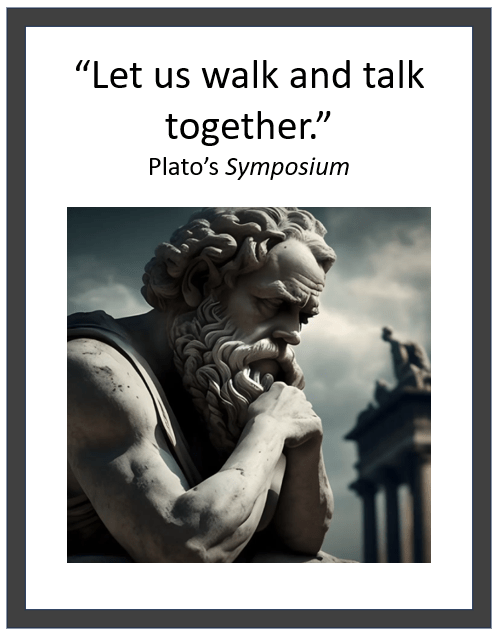
Wilderness, Wisdom & Wellbeing for Men 25th–26th November | Gradbach Mill, near Buxton Walk. Talk. Discover. Long before classrooms had walls, Aristotle taught in the shade of trees and colonnades, walking and talking with those who sought wisdom. His followers became known as the Peripatetics — “those who walk about” — learning not through lectures, … Continue reading 🏞️ The Fellowship Retreat