

In our pursuit of understanding reality, we construct models and paradigms to make sense of the world around us.
Yet, as our understanding evolves, so too must our models.
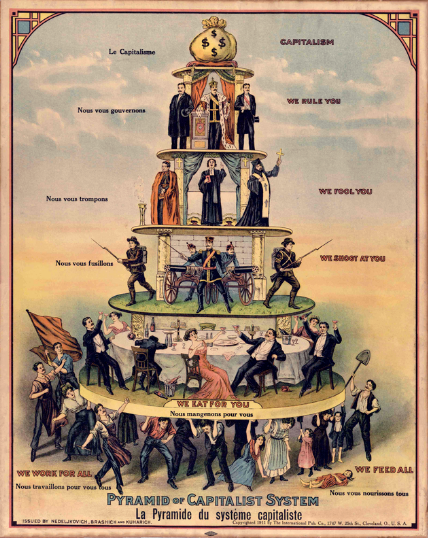
The challenge arises when a minority of paradigm winners become fixated on their beliefs, resisting change even in the face of overwhelming evidence. Moreover, even though they have access to more information, they restrict the flow of that information to resist evolution and transformation.
Why does paradigm fixation matter?
At its core, paradigm fixation inhibits adaptation. It locks us into outdated frameworks, hindering innovation and impeding our ability to address complex challenges. Whether in governance, organisations, or society at large, the reluctance to evolve perpetuates systemic inequalities and vulnerabilities.
The Rise of the Dark Tetrad…
Within systems characterized by competition and control, certain personality traits flourish. The dark tetrad—narcissism, Machiavellianism, psychopathy, and sadism—find fertile ground in environments where power and influence dominate.
As paradigm fixated individuals cling to their beliefs, they inadvertently perpetuate a culture that rewards these toxic traits, further destabilising our institutions and communities.
How can we foster a culture of adaptation in our organisations and communities? Discuss!
hashtagParadigmFixation hashtagAdaptation hashtagInnovation hashtagSocietalProgress hashtagLeadership hashtagChangeManagement hashtagLinkedInDiscussion hashtagLeadership
Discover more from
Subscribe to get the latest posts sent to your email.
